
Officer & Inmate Safety in Complex Correctional Environments
Correctional facilities operate under constant pressure. Populations can be densely packed, movement is continuous, and incidents can escalate quickly. Staff must maintain control across large, complex environments where visibility is limited and response time determines outcomes.
Actall delivers reliable, high-accuracy real-time location data in dense, complex correctional environments where standard location systems fail, enabling faster response and stronger operational control.
Why Real-Time Location is The Missing Piece of Custody Operations
Correctional facilities share many common challenges when it comes to keeping track of the location, movement, and interaction of people and critical assets:
- Limited line-of-sight across wings, corridors, and secure zones
- High-risk interactions between inmates and staff
- Manual processes for headcounts, movement tracking, and incident response
- Delays in locating individuals during emergencies
Relying on radio calls or manual reporting introduces gaps in visibility and the potential for mistakes or misunderstandings. Information arrives too late or lacks precision. This affects response time, coordination, and ultimately safety. That's where a Real-Time Location Systems (RTLS) can help.
Actall RTLS Solutions for Correctional Facilities
Staff Duress and Emergency Response
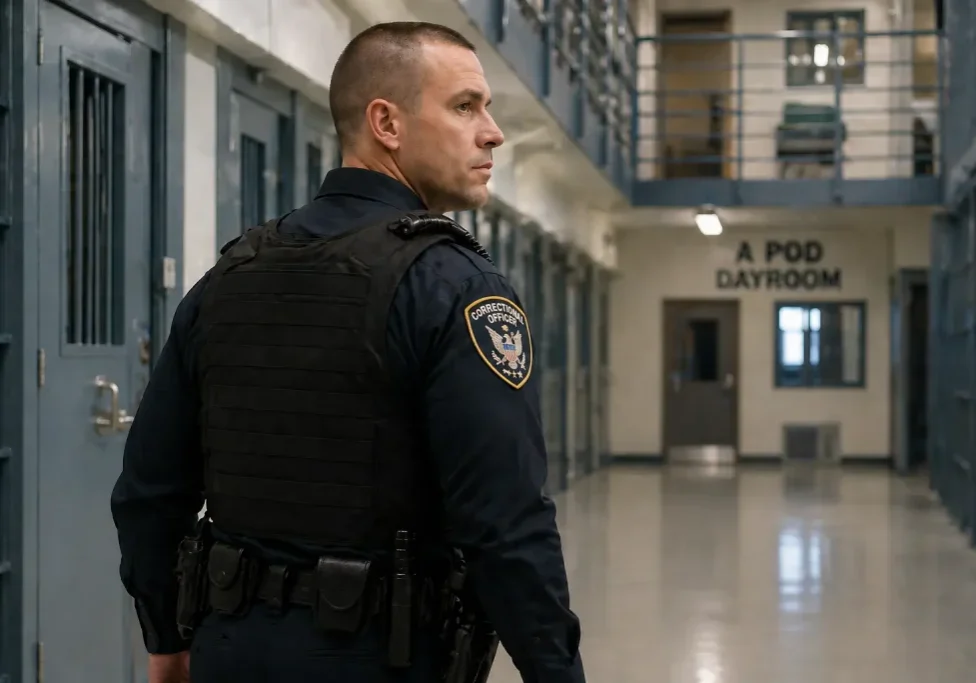
Officers can trigger duress alerts that include precise location data. This allows response teams to reach the correct area quickly, even in complex layouts.
Inmate Movement Monitoring
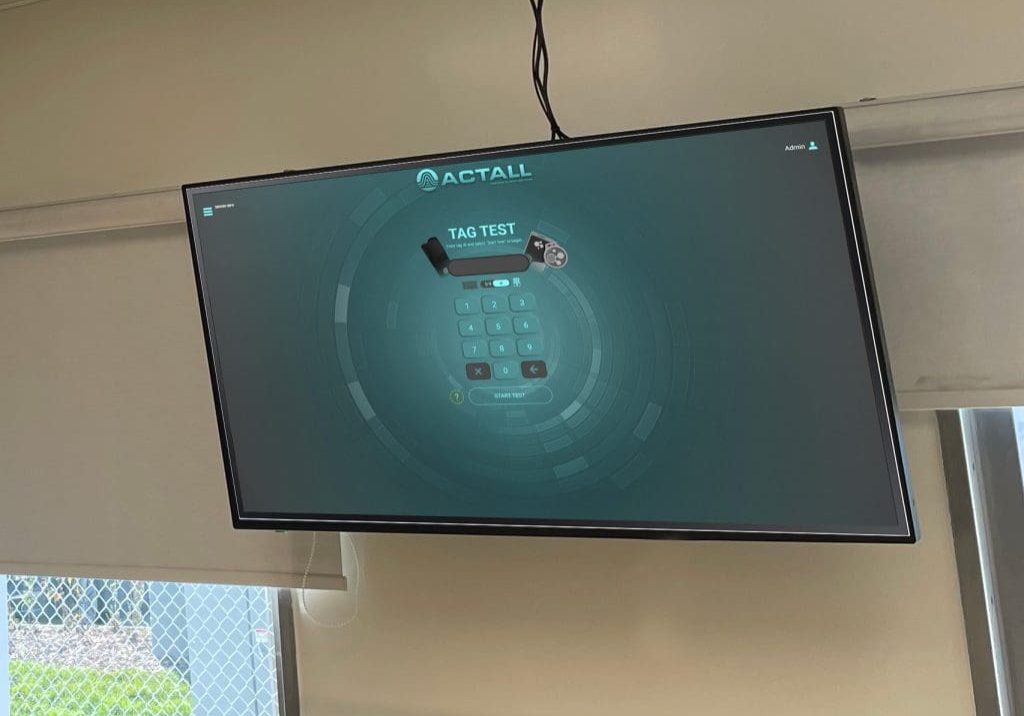
Facilities can track inmate movement across zones. This supports compliance with schedules, reduces unauthorized movement, and improves situational awareness.
Zone-Based Access and Control
Facilities can define zones and monitor entry or exit events. This helps enforce segregation policies and manage high-risk areas.
Contact Us
Get in touch with our team to find out more or request a demonstration of our solutions.
Benefit From Increased Visibility & Safer, More Controlled Operations
Implementing RTLS in a correctional environment delivers measurable operational and safety benefits when the system is accurate and reliable.
Why Standard RTLS Approaches Fail in Corrections
Not all location technologies perform reliably in correctional environments. The physical structure of these facilities creates technical challenges that limit accuracy and signal consistency.
Typical issues include:
- Reinforced concrete walls and floors that block or distort signals
- Multi-level layouts with stairwells, tunnels, and enclosed areas
- Interference from industrial equipment and infrastructure
- Signal overlap in confined or high-density zones
Many RTLS systems struggle to maintain consistent coverage under these conditions. This leads to gaps in location data or unreliable positioning, which reduces trust in the system and limits operational use.
For corrections, partial visibility is not sufficient. Location data must be consistent, fast, and precise enough to support real-time decisions.
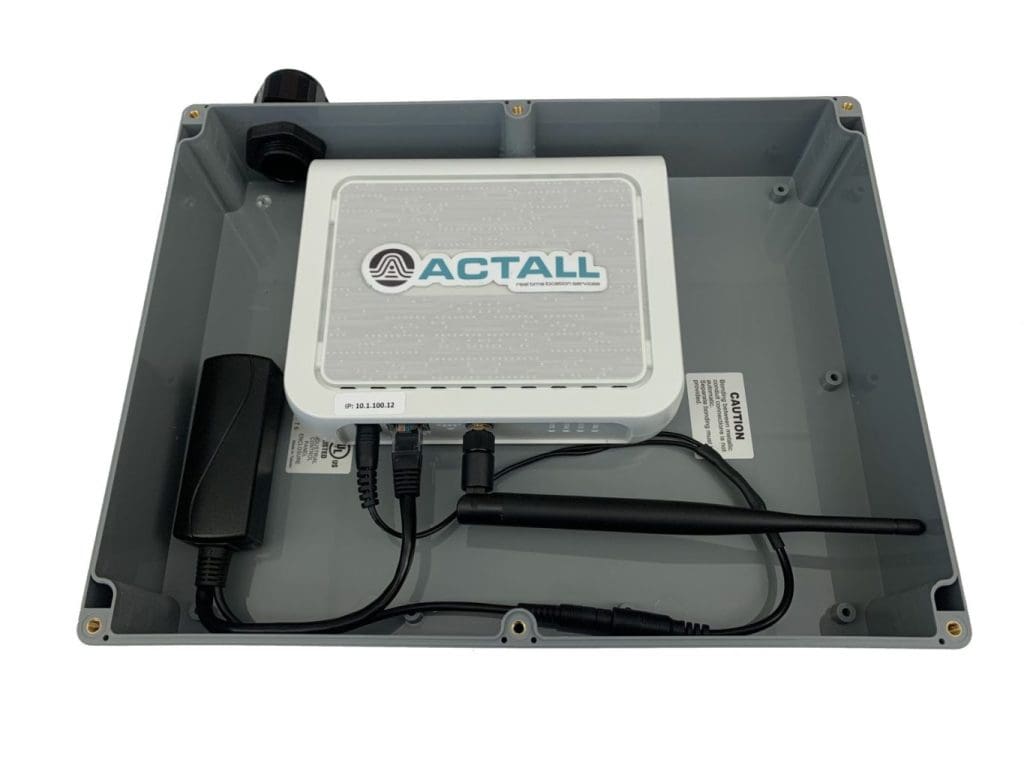
That's why Actall developed their PALS and ALTAS systems. Specifically designed to operate in these challenging environments with precision and reliability.
Why Actall for Corrections
Actall has deployed RTLS solutions in correctional facilities with demanding operational and physical requirements. These environments require systems that perform under constraints that are not present in typical commercial or healthcare settings.
This experience informs both system design and implementation. It ensures that deployments are aligned with how correctional facilities operate, rather than requiring operational change to fit the technology.
Actall’s approach focuses on:
- Reliability across the entire facility
- Accuracy that supports real-time decisions
- Fast response for alerts and location updates
- Deployment aligned with existing operations
- Designed to integrate directly into existing operational systems
This ensures the Actall delivers value from day one and continues to support safety, control, and operational improvement over time.